AI-generated summary
Central Claim: McCraney critiques how religious systems—particularly Mormonism—use identity, authority, and ritual to cultivate spiritual superiority and control over believers. The LDS emphasis on exclusive identity ("I know who I am, I know God's plan") creates an "us versus them" mentality beginning in childhood, reinforced through baptism, priesthood ordination, and temple rituals that progressively elevate members' sense of personal righteousness and power.
Biblical Basis: McCraney grounds his critique in Psalm 34:18, emphasizing God's preference for the "broken heart" and "contrite spirit"—opposing arrogance and hubris.
Yeshuan Perspective: This reflects the Yeshuan emphasis on subjective faith and grace-centered humility. True faith involves acknowledging oneself as "unworthy" and "chief among sinners," viewing blessings as unmerited grace rather than earned status. McCraney warns against institutional religiosity that positions believers as spiritually superior, arguing believers should credit God's transformative power while rejecting religious pride—a core Yeshuan critique of institutional spiritual elitism.
Read Transcript
Understanding the Power Dynamics in Faith
From the Mecca of Mormonism, Salt Lake City, Utah – this is Heart of the Matter – where we are working together to understand this sacred faith in the age of fulfillment.
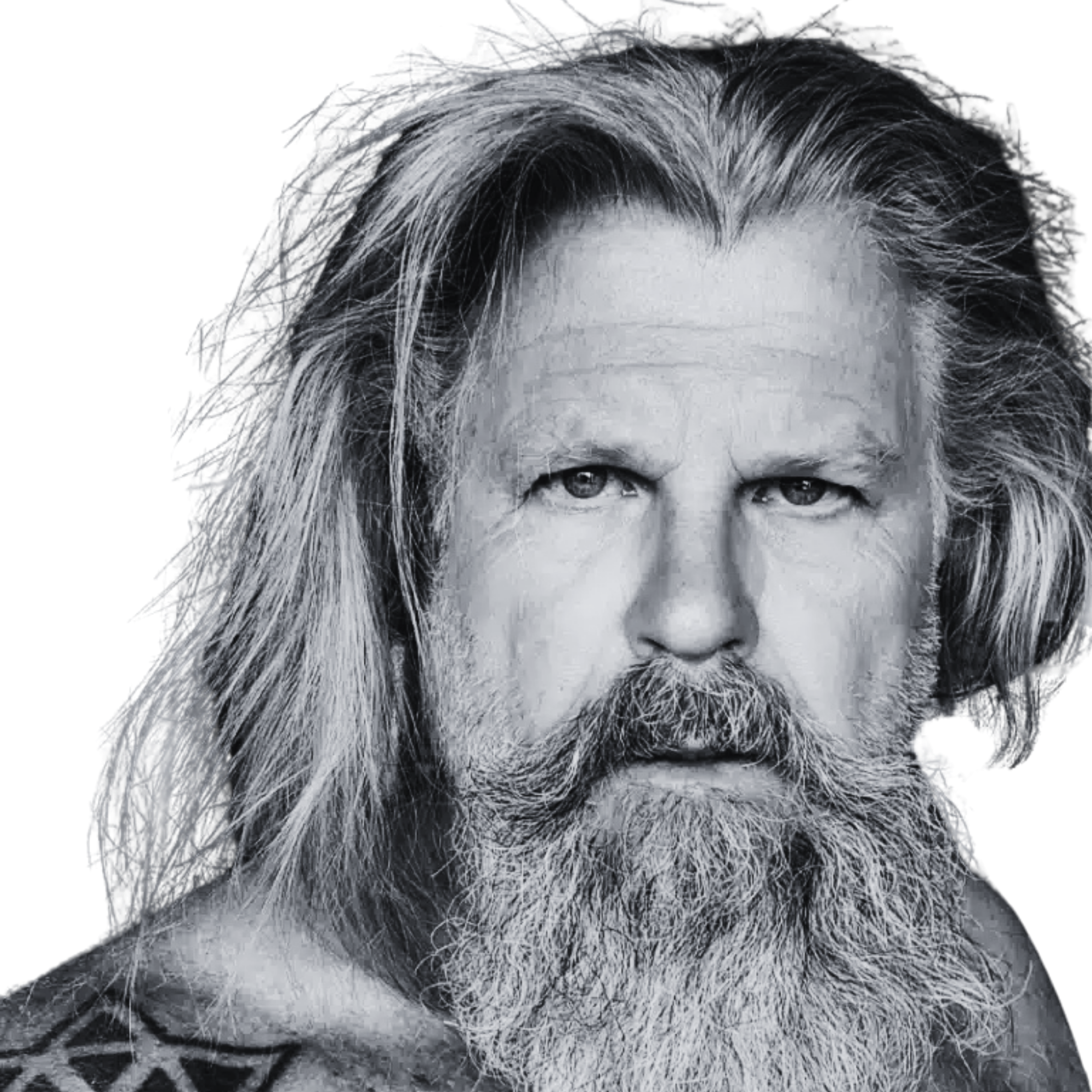
And I’m your host Shawn McCraney
Tonight (Monday) is our Short Show and tomorrow night (Tuesday will be our longer show). Your comments on tonight’s short show will be read and addressed tomorrow night!
So, write your comments below! Subscribe. Click the like and share the show with others.
We have been talking about church governance and now I want to downshift and talk about people who individually seek to dominate or control us by appealing to being of faith.
As my friend Eric pointed out to me last week, there is probably no greater expression of this than in the way many LDS people see and then sometimes engage with the world around them. The reason why this exists in Mormonism more than it typically exists in regular old Christianity is because the LDS lay claim to a number of special possessions as members of the Church of Jesus Christ of Latter-Day Saints. This I am special attitude is introduced to new converts but especially children at a very young age.
The LDS Identity Formation
They sing:
“I belong to the Church of Jesus Christ of Latter-day Saints. I know who I am. I know God’s plan. I’ll follow Him in faith.”
From this position of power, Junior attends grammar school and is armed with a powerful identity – I KNOW God’s plan – and therefore those around me who do not belong to the Church of Jesus Christ do not. It’s a powerplay, and automatically creates an us verses them mentality – even in children.
The interesting thing about Christianity in general is that such hutzpah is not usually ingrained in the same way with their children. They are more inclined to swear belief in Jesus, but rarely are they taught, “I belong to the non0denominational church on the corner of fifth and elm and I know who I am and I know God’s plan and I will follow him in faith.
The LDS Baptism and Priesthood
From childhood LDS children are then baptized, which many people experience, but there is a special emphasis on an LDS water baptism. It makes the baptized an official member who has been baptized by another person who holds what the LDS call the priesthood, which is the authority to act in God’s name on earth.
This act when received cleans the sins away from the participant, and then that person renews their baptismal covenants each week by attending the Only True Churches sacrament meeting and taking the sacrament (which too is blessed by young male teens who bear this same priesthood. When a baptized males then turn 12 they receive this priesthood by the laying on of hands from another, and this steps them up to another level of power – they are now priesthood holders – a title that us used to control the young lads in an attempt to keep them worthy.
When an official LDS priesthood holder, baptized by the power of that same priesthood, encounters the rest of the world, they begin to exercise arrogance toward non-baptized, non-priesthood holders. But it doesn’t end here. When 18 years old LDS young men are invited to receive their fictitious Melchizedek priesthood, which is another elevated step up in their personal religios pride.
Then they go through their man-made temple rituals where they make covenants only to exit wearing holy undergarments, and the stature with which they see themselves, accompanied by the righteousness that is supposed to associated with it, is almost palpable in some.
The Christian Call to Humility
The point is this that all of this is contrary to the humble, meek, gentile, broken attitude the Lord seeks, as He said:
The Lord is near to those, who have a broken heart, and saves such as have, a contrite spirit.
I have appealed to the LDS model which is over the top, but there are similar responses found within the realms of Christianity, again, writ large. In my estimation any and every Christian on earth ought to view themselves in this capacity as being unworthy, as being chief among sinners, and as entering the Kingdom of God by the skin of their teeth.
I say this because I find no real justification on the part of a believer toward hubris, arrogance toward any person (believer or not) or somehow viewing themselves as better than the surrounding world.
What we are is fortunate, blessed beyond compare and wholly reliant on God for whatever he does with us and our Christian lives.
The Power of God in Our Lives
I see no issue with appealing to or referencing the power of God in our lives that is working to transform us, but with that comes giving him all the credit for his marvelous work, while seeing ourselves as really fortunate benefactors of his grace. I just wanted to broach this subject by making a comparison to uber power attitudes and the faith as a means to warn ourselves to avoid such – at all costs.
Share Your Thoughts
Write your comments below and we will read them on our Tuesday night Long show here on Heart of the Matter.
Episode Details
Show 8s I Got the Power
November 22nd 2020